
 Search


Withheld medicine, denied treatment, left to die: how Crimean political prisoners are stripped of their right to medical care
Violations of the right to medical care among political prisoners in Crimea are systemic and often have devastating consequences. People’s health deteriorates sharply, some are left with permanent disabilities, and in the worst cases, prisoners die. This report by OVD-Info draws on data from human rights groups, as well as interviews with prisoners and their families, to document and analyse these patterns of abuse.
Introduction
After Russia’s occupation of Crimea in 2014, Russian criminal law was imposed across the peninsula. Its provisions and precedents of their prior application are frequently used to pursue people for politically motivated reasons. According to the Ukrainian President’s Office in Crimea, at least 224 people in the region are facing politically motivated prosecution as of November 2025. They include activists, journalists, human rights defenders, lawyers and religious figures, as well as ordinary citizens charged under the “extremism” and “terrorism” articles of Russian law.
Crimean political prisoners are held both in penitentiary facilities on the peninsula and thousands of kilometres away in remote regions of Russia.
The vast majority of people featured in this report are being prosecuted in cases linked to the pan‑Islamic party Hizb ut‑Tahrir. According to the Crimean Tatar Resource Centre, by August 2025 law enforcement authorities had initiated politically motivated criminal cases against 431 residents of Crimea, 249 of them Crimean Tatars. Russia declared Hizb ut-Tahrir a terrorist organisation in 2003. In Ukraine, however, the party operated legally, and in the years before the occupation not a single criminal case related to its activities was initiated in Crimea. The first case against the party’s supporters on the peninsula was initiated in Sevastopol in 2015, after Russia took control.
By early 2026, more than 120 people in Crimea had faced criminal prosecution over alleged links to Hizb ut-Tahrir. Today, defendants in these cases make up more than half of all people prosecuted for political reasons in Crimea. They become charged with organising or taking part in the activities of a terrorist organisation and, in many instances, of preparing a violent seizure of power. The charges and the evidence used to support them follow a fairly uniform pattern. In many cases, the only basis for the charges is that people attended meetings and read books together. Members of Hizb ut-Tahrir have never been implicated in acts of violent terrorism, yet those prosecuted receive lengthy prison sentences. All those mentioned in this report who are prosecuted in Hizb ut‑Tahrir cases have received between ten and a half and nineteen years in prisons and strict regime and strict regime penal colonies. The Memorial Human Rights Centre and its successor project, “Support for Political Prisoners. Memorial,” include these individuals on their list of political prisoners persecuted for religion.
years is the duration of the average sentence for Crimean prisoners with health issues, according to OVD‑Info
What is striking about these prosecutions is that the overwhelming majority of defendants are Crimean Tatars. This ethnic group had established local self-governing bodies that opposed the Russian annexation in 2014, and Russian authorities have viewed them as a potential source of organised resistance. Some of those prosecuted in Hizb ut-Tahrir cases are also activists from Crimean Solidarity, a grassroots movement that supports Crimeans prosecuted for political reasons and their families.
This report also mentions several other victims of politically motivated prosecutions. Almost immediately after the occupation, the new authorities in Crimea launched a harsh crackdown on their opponents. Later, even random individuals became targets in order to demonstrate how Russia was fighting “Ukrainian spies.” Those charged in such cases were subjected to severe torture and given lengthy terms of imprisonment.
Find out more about political persecution in Crimea in an OVD‑Info report published a year ago.
As a result of structural problems in Russia’s penitentiary healthcare system, prisoners receive either substandard medical care or none at all. The consequences are severe and often irreversible, posing a direct threat to prisoners’ lives and health. These practices violate the right to healthcare and humane treatment, guaranteed both by Russian law and international standards.
Efforts to defend the rights of seriously ill prisoners are further undermined by a shortage of medical specialists in penitentiary facilities, limited access to diagnostic services and essential medicines as well as judicial oversight that is largely superficial and formalistic.
This report focuses on access to medical care for political prisoners in Crimea. Since 2014, a large number of people have been targeted and prosecuted for political reasons on the peninsula. Independent observers and human rights defenders have been largely restricted from entering Crimea. As a result, families are often forced to turn to the media and online platforms as their only way to defend their relatives’ right to healthcare. Once political prisoners are transferred to Russian corrective institutions far from their homes, their Crimean lawyers who represented them in court have great difficulties documenting abuses. This problem is worsened by high costs for long-distance travels, complex logistics and increasing pressure on human rights lawyers, including the authorities’ moves to revoke their licences. As a result, Crimean political prisoners in remote prisons and penal colonies are even more isolated than they were in Crimea itself. This reality demands sustained attention, monitoring and systematic documentation of violations.
Locations of Crimeans in detention who are experiencing health problems
This report highlights the most vulnerable groups of prisoners: people with chronic illnesses, people with disabilities, elderly prisoners and women. In prison conditions, these groups face heightened health risks. The lack of timely medical help worsens existing conditions, while needs arising from disability or age are often ignored altogether.
The findings of this report are based on 21 interviews with the families of political prisoners, five interviews with lawyers and human rights defenders, letters from the prisoners themselves, media reports, publications by human rights organisations, court documents and formal complaints submitted by human rights defenders. This multi-source approach allows for cross-checking and helps identify both individual instances and broader systemic patterns.
The study covers the period from 2014 to early 2026, allowing the authors to track shifts in prisoners’ health and changes in the practice of providing medical care in Crimea since its occupation by Russia. They go beyond individual instances of deteriorating health to expose an established pattern of outright denial of treatment, which human rights defenders describe as recurring and systematic.
The aim of this report is to identify the main problems linked to violations of the right to health care in places of imprisonment. The evidence gathered makes it possible to document individual instances, assess the scale of the problem and develop recommendations for institutions responsible for protecting prisoners’ rights, as well as for international human rights organisations. This report is also a direct appeal to the Russian authorities to acknowledge the systemic nature of these violations and take effective action. That means, in particular, releasing seriously ill prisoners and those wrongfully convicted, or at the very least, ensuring that they receive timely and adequate medical care to which they are entitled under the Constitution of the Russian Federation and current legislation.


Most vulnerable groups
According to the authors of this report, particular attention should be paid to the categories of political prisoners whose rights are systematically and most frequently violated in places of imprisonment. These include highly vulnerable groups: people with chronic illnesses, persons with disabilities, elderly detainees and women.
Conditions in pre-trial detention centres and penal colonies, limited or nominal access to medical care, psychological pressure, prolonged isolation and the absence of effective protection mechanisms have a disproportionately severe impact on these groups. Their physical condition, age or social status reduce their ability to defend their rights and make the consequences of their imprisonment more severe than for other prisoners.
According to data provided to OVD-Info by the Mission of the President of Ukraine in the Autonomous Republic of Crimea, the scale of the problem remains significant.
people have health problems of varying severity; 94 of them suffer from chronic illnesses and/or regularly report pain, worsening health and other symptoms
people have a confirmed disability (in instances where reliable information is available)
political prisoners with health problems are women
people were born before 1966, meaning they belong to an older age group (the actual number may be higher, as dates of birth are not available for all cases)
As of 20 January 2026
Taken together, these data indicate the systemic nature of rights violations affecting the most vulnerable categories of political prisoners and emphasise the need for a separate, prioritised analysis of their situation from the perspective of international human rights standards.
People with chronic illnesses
A significant number of political prisoners in Crimea were either already taken to penitentiary institutions with pre-existing chronic illnesses or developed them during the early stages of imprisonment. Harsh detention conditions, the lack of systematic medical supervision and limited access to treatment lead to the progression of their diseases, increased pain and the development of complications that pose a direct threat to their health and life.
According to human rights sources, dozens of political prisoners are in critical condition due to lack of medical care. The citizen journalist Amet Suleimanov suffers from aortic and mitral valve insufficiency, chronic rheumatic heart disease, hypertension and a duodenal ulcer. Following pleurisy, adhesions formed in his lungs, leaving one lung unable to function properly. He requires complex heart surgery, but the Russian prison authorities are obstructing his access to appropriate medical care, effectively putting his life at risk. Suleimanov has a Group 3 (moderate-degree) disability. In detention, his condition has become unstable, as evidenced by complaints of cardiopulmonary complications. He has also developed liver problems as a result of long-term medication, as well as gonarthrosis and signs of thrombosis. An independent medical professional told his family that, without surgery and systematic treatment, Suleimanov has no more than five years to live, while around seven and a half years remain on his sentence.
For Timur Ialkabov, who has an asthma-related Group 3 (moderate-degree) disability, attacks of breathlessness have become significantly more frequent in the pre-trial detention centre and penal colonies. During his detention in the Rostov-on-Don (a major city in southern Russia) pre-trial detention centre, his condition repeatedly became critical: according to his spouse, “the attacks were so severe that the doors had to be forced open to provide him with first aid.” In addition, while serving his sentence in Penal Colony No. 17 in Murmansk (a northern city above the Arctic Circle), he was diagnosed with hepatitis. Despite a doctor’s recommendation to document each attack for a reassessment of his disability status, climatic conditions (in particular, high humidity in the Murmansk region) further worsen his condition, and he does not receive proper specialised care.
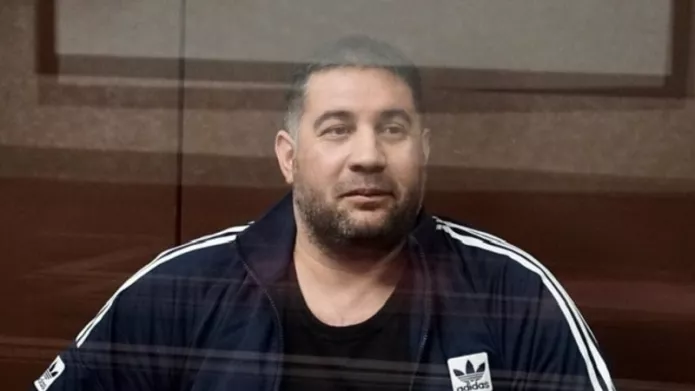
Abdulmedzhit Seitumerov suffered from the consequences of an earlier nasal operation following an injury and required regular medical supervision. However, recommended examinations were not carried out during his detention, and medication sent by relatives was not passed on to him, creating a risk of deterioration of his respiratory condition and chronic inflammation.
Aider Saledinov, who has suffered from chronic tonsillitis since childhood, saw his condition worsen in detention. Recurrent throat infections were treated without proper care or medical supervision, and medication could only be passed on once he was permitted long visits. With his immune system weakened, dermatological complications developed, such as folliculitis with purulent inflammation. According to relatives, the minimal treatment recommendations from a doctor appeared to result from individual initiative rather than any systematic approach to medical care.
Serious chronic pain syndromes have also been documented among prisoners with musculoskeletal disorders. Vladlen Abdulkadyrov was diagnosed in detention with multiple spinal hernias and significant vertebral displacement accompanied by constant, severe pain. According to an independent specialist, the situation is “very complex” and requires surgical intervention. However, treatment in detention is effectively limited to a regular use of painkillers. Due to compression of the sciatic nerve, the pain radiates into his leg, and, according to his family, Abdulkadyrov “cannot remain in one position for long.”
Server Zekiriaev, who suffers from chronic osteochondrosis and radiculitis, has seen his condition deteriorate sharply over the years spent in a damp solitary cell. In his letters, he reported that he “can no longer sleep, every bone hurts” and fears “returning home disabled.” Three years in a damp solitary cell significantly worsen degenerative diseases of the spine and joints.
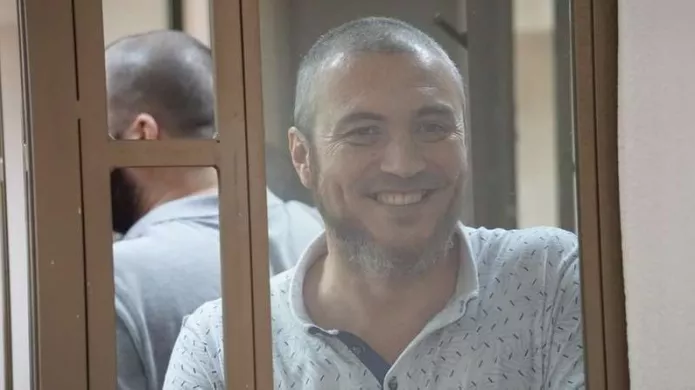
Chronic cardiovascular diseases are also widespread among political prisoners. Shaban Umerov has long suffered from sharp fluctuations in blood pressure, requiring constant medication. “He can no longer manage without them,” notes his wife, Zarema Umerova. Similar problems have been observed in the case of the human rights defender Riza Izetov, whose hypertension and varicose veins have progressed from occasional incidents before his arrest into systemic vascular disorders directly linked to increased cardiac risks.
The situation of prisoners with chronic illnesses is particularly severe. Emil Dzhemadenov has since childhood suffered from a heart defect (mitral valve prolapse) and a chronic stomach ulcer, both of which have worsened under stress. Raif Fevziev has chronic pancreas and kidney diseases as well as Gilbert’s syndrome, all of which require regular laboratory monitoring and a strict diet, both largely unavailable in detention.
Multiple chronic conditions have also been documented in the instance of the human rights defender Server Mustafaev. These include back pain, leg disorders and progressive musculoskeletal disease. The absence of diagnostic procedures, such as X-rays and CT scans, makes accurate diagnosis impossible and prevents proper treatment. As a result, according to his wife, Maia Mustafaeva, the problems “layer on,” and he effectively lives in constant pain.
Emir-Usein Kuku has been diagnosed with glaucoma, complex astigmatism and chronic joint and kidney diseases, partly linked to injuries sustained during beatings by law enforcement officers following his first detention in 2015. Following those injuries, he “could neither sneeze nor cough” due to severe pain, and the damage to his kidneys and lower back has only worsened in prison conditions, said his wife, Meriem Kuku. An additional complication is a Baker’s cyst, which periodically prevents him from walking altogether.
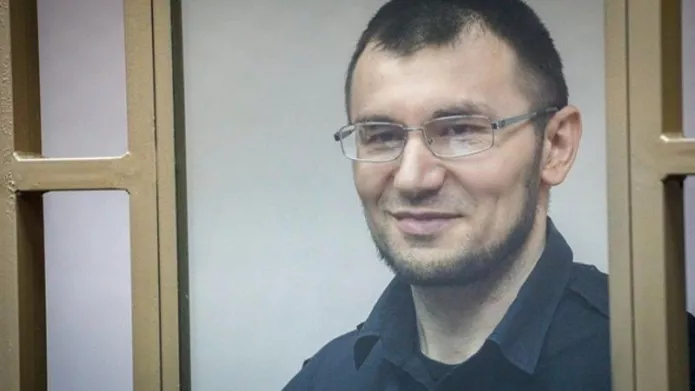
A steady deterioration of health has also been observed in Servet Gaziev, who suffers from rheumatism, heart disease, gastrointestinal disorders, bronchial problems and gout. His chronic conditions predated his arrest but have become significantly more severe in detention. Due to repeated flare-ups, Servet Gaziev has often been unable to take part in court hearings. Since early 2021, an ambulance has been called for him five times directly to the courtroom in Rostov-on-Don. While held in the pre-trial detention centre there, he suffered a minor stroke that paralysed the right side of his face. However, according to his relatives and human rights defenders, he did not receive adequate medical care. The consequences of the stroke remain visible: his face is asymmetrical, his cheek is sunken, which partly affects his speech, and his left eye twitches periodically.
Enver Omerov has a combination of rheumatism, rhinitis, intestinal pathologies and intercostal neuralgia that require surgery he has not received since his arrest. According to the political prisoner’s family, since his sentencing and transfer to Vladimir, a city in Central Russia, he has only been taken to a prison hospital once. Omerov refused an operation “because the reviews of the hospital were not the best,” including regarding the doctors. He now hopes to have the surgery in the penal colony in Mari El, a republic in Russia that is home to the Mari Indigenous people, where he is currently held.
Another political prisoner, Uzeir Abdullaev, has chronic swelling in his leg following an inflammatory process. Despite receiving urgent care when the condition was acute, the underlying issue was not resolved, and the swelling persists. Because of this, his family has to buy him shoes a size larger.
Taken together, these accounts point to a systemic problem: political prisoners’ chronic conditions are either ignored or treated superficially, without proper diagnosis or specialised care. As a result, their illnesses worsen, causing constant pain and disability. In this way, imprisonment itself becomes a source of serious, irreversible harm to their health.
People with disabilities
People with disabilities in places of imprisonment face not only medical but also physical barriers. Correctional facilities are typically inaccessible to people with limited mobility, visual or hearing impairments. Human rights defenders have repeatedly pointed out these problems.
The lack of proper accommodations makes daily life extremely difficult and humiliating for prisoners with disabilities. They often depend on help from cellmates, which increases their vulnerability and can lead to abuse of power by the prison administration. Furthermore, the needs of people with disabilities are rarely taken into account when assigning detention regimes or work duties.
A case in point is that of Alexander Sizikov, a completely blind man with a Group 1 disability who was sentenced to 17 years of imprisonment. The ruling drew outrage far beyond the human rights community, as Russian law formally prohibits the detention of people with severe health conditions.
Other Crimean political prisoners with disabilities also remain in detention without adequate medical support. The Crimean Tatar journalist Timur Ibragimov, for example, needs to have an eye implant replaced. He had previously complained about deteriorating eyesight at Penal Colony No. 5 in the village of Klekotki in the Ryazan region. Ibragimov has a Group 3 disability due to visual impairment. One of his eyes was replaced with an artificial one more than 15 years ago.
“There is no way to replace it at the moment, because this is a colony. It is unclear what kind of help they can provide in these conditions. So for now, everything remains as it is. The ophthalmologist prescribed treatment in the form of medication, eye drops and vitamins,” said his wife, Diliara Ibragimova.
Zekiria Muratov suffers from multiple serious chronic conditions, diagnosed both before and during his detention. His key medical issues include a range of musculoskeletal disorders, chronic hypertension, heart failure and other cardiovascular diseases, as well as exacerbations of kidney and respiratory system pathologies.
In the instance of Timur Ialkabov, his asthma-related disability is not recognised due to the absence of Russian documents, his wife explains: “We have a document certifying that he is a Group 3 disabled person due to asthma. It was issued back when Crimea was part of Ukraine; we haven’t had it reissued or extended under Russian rule.”
Elderly prisoners
Elderly political prisoners bear the brunt of imprisonment most acutely. Age-related changes to the body, the presence of multiple chronic conditions and a reduced ability to adapt to stress make them extremely vulnerable.
The human rights association Crimean Solidarity regularly documents the deteriorating health of elderly prisoners who have been transferred to remote regions of Russia. Their relatives report sharp declines in their well-being, absence of medical examinations and the impossibility of securing more lenient detention conditions.
After his arrest in February 2021, 55-year-old Iashar Shikhametov immediately began reporting pain in his kidneys and liver. During his trial, medics were called to the courtroom due to his high blood pressure and headaches. They diagnosed him with hypertension and, after giving him an injection, declared the elderly Crimean Tatar fit to continue participating in the hearing. The court dismissed Shikhametov lawyer’s argument that he was in no condition to defend his own interests during the proceedings. At a hearing a year later, the Crimean Tatar had to be carried out of the courtroom on a stretcher due to pain in his heart and kidneys. But this time as well, the medics insisted the man was able to continue taking part in the trial.
In September 2025, Shikhametov was reported to have lost 30 kilograms and no longer be able to walk independently due to joint destruction. Fellow inmates now bring him food from the canteen, and he was brought to a meeting with his lawyer in a wheelchair.
“When I walk or sit, I experience severe pain. That’s why I hardly walk at all. If I do walk, I use crutches. It takes me two and a half hours to cover 50 metres. After walking, everything hurts so much that I have to take painkillers. Because of my stomach ulcer, the medication makes my stomach hurt. <…> My intervertebral discs are worn out, I have second or third-degree joint destruction—in my hips, knees and feet—high blood pressure, heart pain, suspected diabetes, headaches, ear pain and poor hearing in my right ear, deteriorating eyesight and shortness of breath,” Shikhametov said. He has asked the administration of Penal Colony No. 37 in the Kemerovo region to send him to hospital to receive treatment and be assigned a disability group.
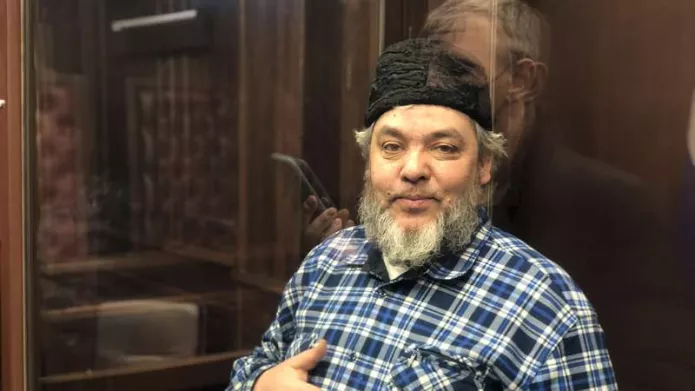
His relatives send him medication, noting that Shykhametov experiences constant discomfort and suffering, while his multiple conditions make adequate treatment impossible and create a risk of further health deterioration. In 2025, a court in the Kemerovo region refused to release the seriously ill man from custody despite the fact that his condition is included on the list of illnesses that preclude serving a sentence. In their expert opinion, the medics emphasised that he “does not require constant care or treatment in a specialised facility, and his state of health allows him to remain in a correctional facility under the general regime.” Shykhametov has filed an appeal against the ruling.
“My illness precludes serving a sentence. Everything else—all kinds of medical addendums claiming I can be held in a correctional facility—is just rumours, conjectures and assumptions that the court has no right to take into account,” the prisoner stated.
Similar concerns—that their illnesses could seriously progress if they are not released—have been voiced by the relatives of other elderly political prisoners. For many convicts over 70 years of age, an additional layer of suffering is the fear that they will not live to see their release.
Health issues among politically prosecuted Crimeans in detention have been documented across all age groups
Vladimir Dudka, a Ukrainian political prisoner sentenced in a sabotage case and held in custody since 2016, suffers from multiple serious chronic conditions that remain without almost any adequate treatment. According to reports from his relatives and human rights organisations, Dudka has been diagnosed with gastric ulcer, hypertension, prostate adenoma, kidney stones and chronic skin rashes, yet he is not provided with systematic medical supervision or specialised care. Despite numerous complaints of pain and deteriorating health, he receives mostly only symptomatic treatment and dental care—insufficient for managing his complex range of pathologies. In April 2023, Dudka was transferred from the medical unit back to the penal colony despite his critical condition, and his family notes that even the medications they send him provide only temporary relief.
Women
Female political prisoners from occupied Crimea face severe violations of their human rights and access to medical care. The nurse and human rights defender Irina Danilovich was sentenced by court to seven years of imprisonment. She is currently serving her sentence in women’s Penal Colony No. 7 in Zelenokumsk of the Stavropol region in southern Russia, where, according to human rights organisations and her relatives, conditions are extremely harsh and inhumane. Danylovych suffers from constant pain, including acute heart pain and an ear infection that has led to partial hearing loss.
The colony fails to meet basic sanitary standards, and necessary medical care is systematically withheld, as the political prisoner points out. According to her and human rights defenders, attempts to obtain proper treatment are blocked by the colony’s administration and the Russian Federal Penitentiary Service (FSIN).
Danilovich had already reported suffering from otitis and headaches while in Crimea, while held in the pre-trial detention centre in Simferopol, a major city in the Crimean peninsula. However, Pavel Pavlenko, the head of Medical and Sanitary Unit No. 91 of the FSIN, responded to appeals from human rights defenders by stating that a review of the defendant Irina Danilovich’s medical records revealed no violations of current Russian healthcare legislation. According to him, all additional examinations and specialist consultations in state-run healthcare institutions are carried out only when there are medical indications or based on the recommendations of the facility’s staff, rather than at the request of third parties.
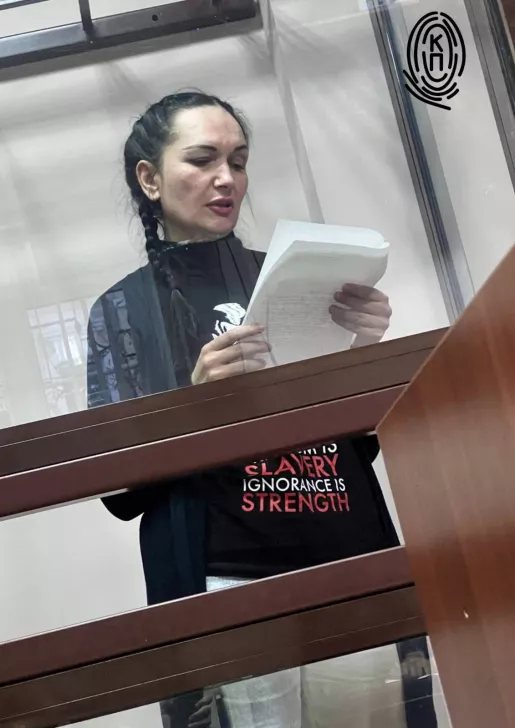
Materials from human rights defenders indicate that among the political prisoners there are elderly women who are effectively denied access to necessary medical treatment. For instance, Galina Dovgopolaia, an elderly woman from Sevastopol, a port city in Crimea, was sentenced to 12 years of imprisonment. The woman is currently being held in a penitentiary facility despite severe health issues that have only worsened since her arrest.
Even before her arrest, Dovgopolaia suffered from chronic spinal conditions and hypertension, while in the penal colony she developed gastritis and experienced significant weight loss. According to human rights defenders, the harsh conditions of confinement, poor nutrition and unfavourable climate negatively affect her health. The woman is forced to walk using a cane, leaning to one side, which indicates pronounced weakness and a pain syndrome exacerbated by prolonged isolation. Human rights advocates emphasise that the combination of her advanced age (70 years) and chronic illnesses makes her particularly vulnerable, and the lack of access to qualified medical care poses a genuine threat to her life.
Key issues regarding the denial of medical care
The denial of medical care to Crimean political prisoners is not an isolated error, but rather a systemic phenomenon characteristic of the Russian penitentiary system. Illnesses that politically prosecuted individuals develop prior to their arrest are aggravated by the inaction of the FSIN medical service and a shortage of medicines.
Initial health conditions of individuals prosecuted for political reasons
Many Crimean political prisoners enter the penal system with pre-existing conditions, making their imprisonment a life-threatening factor.
The political prisoner Remzi Kurtnezirov is 63 years old. He is a former imam of the mosque in Lobanovo, a village in Crimea’s Dzhankoi district, and has a permanent disability. Prior to his criminal prosecution, the man suffered three strokes, underwent cranial trepanning and developed diabetes. He also suffers from high blood pressure, and the right side of his body is completely paralysed. While his case is being heard in court, the severely ill Kurtnezirov remains under house arrest. However, there are several known instances where, following their sentencing, Crimean Tatars with severe illnesses were transferred to correctional facilities where their conditions deteriorated. There is a risk that a similar fate awaits Remzi Kurtnezirov.
Before his arrest, another political prisoner, Oleg (Ali) Fedorov, underwent surgery on his nasal septum due to an old fracture and contracted COVID-19. After recovering, he “had literally just started returning to work for a week” before he was detained, according to a relative. During his imprisonment, the Crimean Tatar’s condition worsened: the harsh conditions of confinement weakened his already vulnerable post-COVID immune system, making him more susceptible to infections. While still in the Simferopol pre-trial detention centre, Fedorov was placed in a solitary quarantine cell where he did not even have a mattress. The administration ignored his condition, and for the entire time, the man had to use his jacket as a blanket while sleeping. Subsequently, Fedorov’s eyesight deteriorated significantly, a growth appeared under his ribs, his dental problems worsened, and he developed a fungal infection, which he treats with ointments and pills sent in by his wife. Furthermore, the unsanitary conditions in the punishment cell of Penal Colony No. 8 in Khokhryaki, a village in Udmurtia (a republic in the foothills of the Urals), where Fedorov spent seven months and where “water was running down the walls,” triggered a series of respiratory infections, according to the Muslim man’s wife.
Ignoring health complaints
Ignoring health complaints is another systemic practice in relation to Crimean political prisoners. Inmates apply to the medical unit and the administration, but often their applications are not properly documented and do not lead to an examination or treatment.
After being placed in a pre-trial detention centre, Abibulla Smedliaev’s visual impairment progressed. The man was already diagnosed with myopia before his arrest, and a doctor prescribed him glasses and medical monitoring. However, his vision noticeably deteriorated in detention due to lack of light. According to his wife, Liniza Smedliaeva, her husband has poor distance vision, his eyes are inflamed and painful, letters “blur” before his eyes, and the Muslim man is unable to read or write without glasses. When Smedliaeva tried to pass anti-inflammatory eye drops to him in the detention facility, the administration refused to accept them, citing that their medics “already have those.” He never received the medication. The Crimean Tatar’s wife even managed to arrange a visit by a private ophthalmologist, which the family paid for. The administration promised to provide the woman with a sample application form to grant the doctor access but never did so. Liniza Smedliaeva believes that a “polite refusal” will follow, meaning her husband will ultimately receive no medical help. In response to Abibulla Smedliaev’s other complaints (such as a cold and fever), the administration has also remained inactive, ignoring the man’s condition.
Another political prisoner, Seitveli Seitabdiev, faced a similar problem. In a prison in Yelets, a town in the Lipetsk region of central Russia, his complaints were ignored, and as of February 2024, the man had been unable to see a surgeon or an ophthalmologist for over a month.
Health issues have also been documented among politically prosecuted Crimeans who were imprisoned recently
Substandard treatment or absence of medical care
Even when FSIN medics do provide assistance, its quality frequently fails to meet minimum standards, and the doctors’ decisions often cause further injuries to the prisoners. This is particularly evident in dental care.
Abdulmedzhit Seitumerov, an activist for the Crimean Solidarity and Crimean Childhood volunteer projects, developed dental issues prior to his arrest. Before he was arrested, he underwent treatment and was able to continue it in Pre-Trial Detention Centre No. 2 in Simferopol. After his transfer to Pre-Trial Detention Centre No. 1 in Rostov-on-Don, a major city in southern Russia, his teeth began to decay: he developed caries and his teeth “turned black,” the political prisoner’s wife told OVD-Info. The doctor insisted solely on extraction, attributing this to a “lack of funds.” The relatives of other political prisoners have also informed OVD-Info that medics mostly propose tooth extraction instead of treatment. Often, Crimean political prisoners only get to see dentists at a late stage, when it is no longer possible to save the severely decayed teeth.
Dental issues during imprisonment have developed in more than half of politically prosecuted Crimeans
Systemic medical care is generally not provided even to those Crimean political prisoners who experience ailments for the first time. For instance, Ametkhan Abdulvapov suffered a stroke in the summer of 2025 in Penal Colony No. 2 in Angarsk, a city in the Irkutsk region of Siberia, just a week after his transfer. The stroke was diagnosed by the prison doctor. In a letter, the man asked his family to send him “heart” medication, motherwort, valerian extract and procaine. He also mentioned that the colony had no medications for his treatment, leaving him to endure heart pain. Abdulvapov’s father claimed that violence was used against his son, though he does not know the specific details. The man demanded an investigation by the Investigative Committee. Just over a month after suffering the stroke, Abdulvapov was sent to a punishment cell.
Delays in examinations and subsequent treatment
Russian correctional facilities face a severe shortage of medical specialists and medications, and many prisoners are forced to wait in queues for a long time to undergo examinations. Arsen Abkhairov developed varicose veins while still in a pre-trial detention centre, but medics merely provided “one paracetamol pill for all problems,” a relative of the man explained. In a prison in Yeniseysk, a town in the Krasnoyarsk region of Siberia, his varicose veins worsened: the man was forced to stand on his feet from 6 a.m. until 10 p.m. without the chance to sit down. He was offered surgery but declined, fearing it would be performed poorly in unsafe conditions. After being transferred to a penal colony in the town of Tsivilsk in Chuvashia (a republic in western Russia), the surgery was no longer offered.
“The surgeon wrote a prescription and recommended exercise, but never gave a referral for surgery. Apparently, there is no such service in Tsivilsk. They won’t take responsibility for this kind of operation,” the Crimean Tatar’s relative noted.
The imam Raif Fevziev encountered a similar issue. He was examined by doctors in the Yeniseysk prison, but there was no phlebologist among them.
“The surgeon said that surgery is currently impossible. Perhaps, when he gets to a penal colony, it will be done, but for now, the issue remains unresolved,” explained his wife, Liana Fevzieva.
Substituting treatment with painkillers
Another persistent trend in the Russian correctional system is the substitution of an adequate treatment with symptomatic pain relief. Crimean muslims, like other inmates in places of imprisonment, are systematically faced with this practice.
In the same way, while being held in a pre-trial detention centre, the citizen journalist Osman Arifmemetov was deprived not only of adequate medical assistance, but also of full-fledged access to painkillers: the prison doctor refused to even prescribe them, and his family was denied the necessary medications, being limited to permission to use only the mildest painkillers, powders and ointments.
The Simferopol-based activist Akim Bekirov, who is being held in Penal Colony No. 9 in the town of Tsivilsk (the Chuvash Republic), has also spoken about inadequate treatment. He has complained to prison doctors about a rash and peeling skin, toothache and cervical osteochondrosis, but the doctors only suggest “taking painkillers to treat pain and not only pain.”
Self-medication and self-administered medical interventions
At the request of Crimean political prisoners, their families usually consult civilian doctors and seek approval of medications with prison doctors, as correctional facilities lack high-quality diagnostics and the necessary drugs. This is a common practice. Some drugs, such as antibiotics, hormonal agents, and dietary supplements, are prohibited by law from being sent in, which also significantly limits available treatment options.
Prisoners often self-medicate and even perform surgical procedures on their own in unsterile conditions. Relatives search the internet for suitable exercises and folk remedies to alleviate symptoms.
After elderly Servet Gaziev’s medication, prescribed earlier by the doctor, was seized during an inspection, he considered the advice of his cellmates about squeezing out a walnut, heating the resulting oil and pouring it into his inflamed ear.
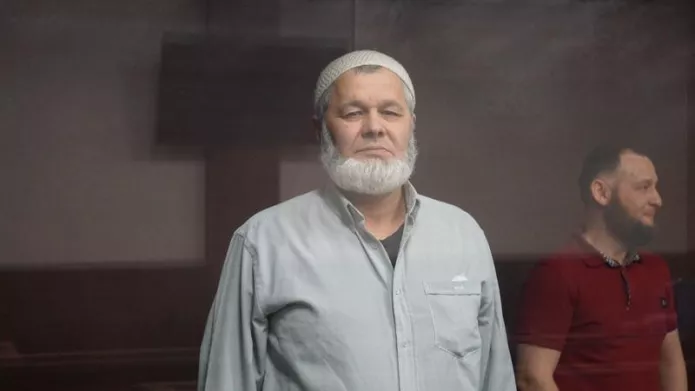
There are instances where the risk of injury during self-surgery in non-sterile conditions is quite high. However, severe pain still prompts inmates to resort to these procedures, despite the potential health consequences. When the citizen journalist Remzi Bekirov had gumboil, he had to open his gums himself, “all but with a fork,” according to his wife, Khalida. Moreover, in Pre-Trial Detention Centre No. 3 in Novocherkassk, the imam Raif Fevziev installed self-hardening temporary teeth fillings himself to prevent tooth decay.
Prohibition on transferring medications from relatives
Relatives are often the only people able to provide prisoners with medications. They regularly face denials of transferring the drugs. For example, packages with medication for Amet Suleimanov were returned twice, and Server Zekiriaev’s family was prohibited to hand him medicine altogether, so he has not been receiving any for roughly five years. In both instances, the administration uses the routine reply of “Not permitted.”
The Crimean human rights activist and nurse Irina Danilovich encountered a ban on the transfer of medications as well while in Pre-Trial Detention Centre No. 1 in Simferopol. Due to a lack of assistance during her imprisonment in the detention centre, the woman almost went deaf in one ear. She now suffers from headaches, buzzing, whistling and ringing in her ears.
Conditions of detention as a factor in deteriorating health
Poor living conditions in Russian correctional facilities also undermine the health of inmates. Long hours of standing, dampness and cold, unsanitary conditions, high humidity and prolonged confinement in disciplinary premises lead to the development and exacerbation of serious illnesses in inmates.
During the time he spent in a punishment cell, the taekwondo coach Teimur Abdullaev (as of December 2025, he spent more than 1,035 days there) has developed a number of chronic illnesses and complications. He constantly suffers from high blood pressure, deteriorating vision, kidney problems, severe headaches, toothaches and eye pain. His relatives also reported complications from an ear infection and two bouts of acute respiratory viral infection. Abdullaev suffers from heart pain, the lasting effects COVID, and reports a generally serious condition that his mother describes as “on the brink of life and death.”
His family and lawyers attribute these deteriorations to the fact that he has been held for years in concrete premises of a punishment cell and a strict regime cell at low temperatures, without access to normal medical care, under constant stress and under the threat of being transferred to a single cell-type room.
Just like Abdullaev, the citizen journalist Marlen (Suleiman) Asanov was sent to a punishment cell under formal pretexts, such as reading a prayer. However, the guards informally stated that the severity of the article under which he was serving time was sufficient to warrant a solitary confinement sentence. (Similar explanations were given to other political prisoners: to Server Mustafaev when he was placed in the special detention centre of Penal Colony No. 1 in Tambov, to Ruslan Suleimanov when he was put on preventive monitoring at Penal Colony No. 17 in Murmansk, and to Uzeir Abdullaev when he was placed in the punishment cell of Penal Colony No. 6 in Salavat.) Asanov has been diagnosed with arthritis since childhood, which has worsened under the conditions of Penal Colony No. 7 in the Mordovian town of Sosnovka. He has begun to suffer from regular knee pain and can only receive basic medical care during rare doctor visits. His family provides him with the few medications approved by doctors.
Lack of specialists in colonies and prisons
In the FSIN institutions where Crimean political prisoners are held, there is a systematic lack of specialised doctors, which leads to the progression of chronic and acquired diseases in prisoners.
For instance, the Yalta resident Vadim Siruk has reported that due to the absence of a dentist in Penal Colony No. 2 in Bashkiria, his teeth are decaying.
“Over the nine years he has spent in detention, he had them treated more or less successfully only once, with dental crowns. Now they are falling out or are simply in poor condition. Because the crowns are of poor quality, food gets trapped underneath them, leading to continued inflammation. Vadim has cavities as well. Other [affected] teeth were removed because treatment was impossible in prison conditions. We’ve been asking the prison administration to hire a doctor as soon as possible, but they’re not so much in a hurry,” said the political prisoner’s wife, Anna Bogacheva.
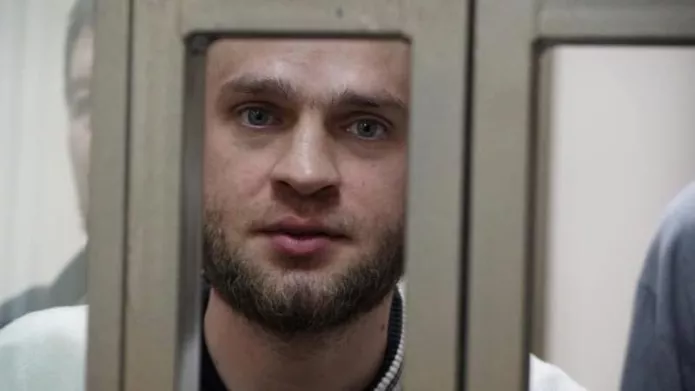
The Belogorsk resident Riza Omerov also reported the absence of an ophthalmologist in the prison of the town of Minusinsk in the Krasnoyarsk region. His vision problems worsened during his imprisonment: he began noticing a film forming on his vision at times, causing him to see “stripes.” Only two years later, when he had already been transferred to the penal colony in Tsivilsk, was he able to consult a specialist. The specialist reported that Omerov’s vision problem was related to his blood vessels. The previously prescribed medications had not helped him. According to his wife, Sevil, her husband requires “a more professional medical examination to establish an accurate diagnosis and develop a treatment plan based on that.”
Torture, cruel treatment of prisoners and medical consequences
Torture and cruel treatment of prisoners significantly impact the convicts’ both physical and mental health, leading to chronic illnesses and disabilities.
In 2024, the Crimean Tatar activist Iashar Muedinov reported that the staff of the prison in Dimitrovgrad in the Ulyanovsk region had “unjustifiably” used force against him. He was held in a damp cell, which exacerbated the pre-existing pain in his right arm. Muedinov’s legs also became swollen after the beating, but the activist was never given the necessary examination because the facility lacked a surgeon.
Another Crimean Tatar, Timur Ialkabov, also reported the use of force in the same prison, where he had his head forcibly shaved and was forced to wash it in cold water.
“He’s asthmatic, and he absolutely mustn’t get too cold or come into contact with cold water. I’m very worried about his condition and the consequences of these illegal actions,” said the political prisoner’s wife, Alie Ialkabova. The FSIN Directorate for the Ulyanovsk region denied that the prison’s correctional officers abused their official powers.
A stroke was allegedly the result of physical abuse by prison guards at Penal Colony No. 2 in Angarsk against Ametkhan Abdulvapov. Only a week after being transferred there, he informed his family of his condition.
“It was in this particular colony, when he arrived there, that this [stroke] happened. I know he won’t write [about medications or a lawyer] just because. [Previously], no matter how bad he felt, he [always wrote that] everything was fine. But [now] it means something serious [has happened],” said the inmate’s father, Nedzhip Abdulvapov.
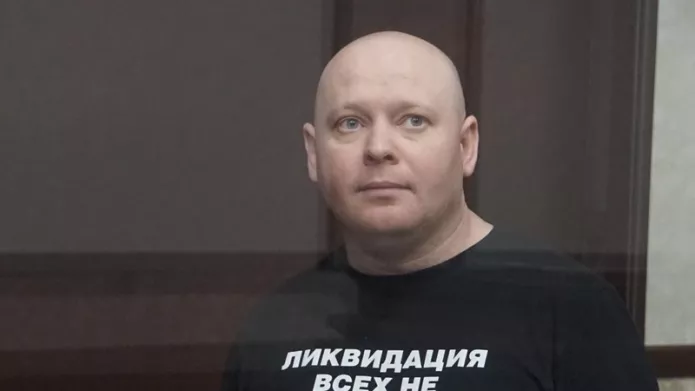
Servet Gaziev and Emir-Usein Kuku have also faced beatings. The former suffered a dislocated collarbone, an injury that still haunts him. The latter suffered kidney and lower back injuries, which were damaged by law enforcement officers. Both men did not receive the necessary rehabilitation and comprehensive treatment after torture.
Instances of denying or providing inadequate medical care to Crimean political prisoners demonstrate that the problem is not isolated but systemic. The FSIN’s medical service effectively fails to fulfill its preventive and therapeutic functions, becoming part of the punitive mechanism. Ignoring complaints, the absence of specialists, unsanitary conditions and restrictions on distributing medication lead to the aggravation of chronic illnesses, disability and, in the worst cases, death.
Types of illness and health conditions
An analysis of the health conditions of Crimean political prisoners shows that chronic and acute illnesses not only go untreated in detention, but are exacerbated by the absence of systematic medical care. The right to timely health examination, treatment and rehabilitation is violated, and severe instances are often ignored or masked by formal prescriptions. A shortage of medical professionals, medications and adequate conditions leads to a gradual deterioration of prisoners’ health and poses a direct threat to their lives.
Oncological diseases
Oncological diagnoses among Crimean prisoners are typically detected at a late stage and are exacerbated by prolonged imprisonment and the absence of any treatment. Tofik Abdulgaziev, a Crimean Solidarity activist, was diagnosed with a malignant brain tumor almost two years after he was hospitalised with pulmonary tuberculosis and thoracic lymph node involvement. He frequently loses consciousness and experiences breathing difficulties. Despite his wife’s demands for his release, the issue remains unresolved.
The imam Lenur Khalilov was diagnosed with metastatic liver cancer and chronic hepatitis C in the penal colony in Arkhangelsk. This was in addition to hypertension and other liver and kidney diseases. In August 2025, he was released by court order—his illnesses are on the list of conditions that prevent him from serving his sentence. However, two months later, he was taken into custody again and sent back to the penal colony after the appeal of the court’s decision was heard.
“They aren’t giving him any pills. His liver is in serious condition, it hurts. He has no strength left, he’s weak. He calls every day and says they’re not providing any help—they only give him analgin that [the guards] barely agree [to give out] anyway. They say, ‘There’s no medication for your illnesses, we can’t treat you.’ They’re themselves surprised he’s been brought back,” the Muslim man’s relative said.
Cardiovascular diseases
Cardiovascular diseases are among the most common health problems among Crimean political prisoners. This is due to the chronic stress experienced by prisoners, harsh prison conditions and limited access to timely medical care.
Teimur Abdullaev suffers from high blood pressure, headaches and kidney problems, but instead of receiving a lenient regime, he is regularly placed in a punishment cell. In January 2025, the human rights activist Riza Izetov received a disciplinary sanction for falling asleep during a hypertensive attack. He was also placed in a punishment cell.
In 2024, the Bakhchisarai resident Rustem Seitmemetov suffered a myocardial infarction, underwent heart bypass surgery and was assigned a third-degree disability. However, he continues to serve his sentence in a penal colony and suffers from fluctuating blood pressure, cardiac arrhythmia and headaches.
A difficult health situation has developed for 63-year-old Azamat Eiupov, who has suffered four ischemic strokes since his arrest. In September 2025, he was hospitalised for high blood pressure, but for three weeks he received no examination or medical treatment. He feared he might suffer a fifth stroke.
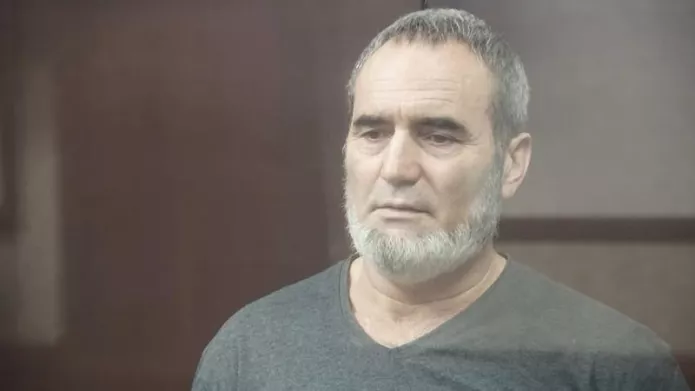
Two more political prisoners, Medzhit Abdurakhmanov and Zavur Abdullaev, suffer from high blood pressure. According to human rights activists, Abdurakhmanov does not receive adequate medical assistance: for more than a year and a half, he has been held in either a punishment cell or a cell-type room.
Neurological disorders
Prisoners with neurological and musculoskeletal disorders often lack timely diagnosis and rehabilitation treatment. According to OVD-Info, a number of convicted Crimean Tatars experience lower back pain: Timur Ialkabov, Aider Saledinov, Emil Dzhemadenov, Server Mustafaev, Emir-Usein Kuku, Lenur Khalilov and others. The nature of their illnesses varies, but almost none of them show progress in treatment. Typically, they only manage to alleviate their symptoms with painkillers sent by relatives and supportive measures, such as a camel wool belt or a corset.
Constant placement in punishment cells, solitary cells and single cell-type rooms has exacerbated the long-standing spinal issues of 60-year-old Ruslan Mesutov. According to his relatives, the man was bedridden due to back pain even before his conviction, requiring injections and a corset. During his imprisonment, he was never given a definitive diagnosis or scheduled treatment. In Yakutsk’s Penal Colony No. 1, Mesutov began to faint regularly and suffered from high blood pressure. At the hospital, doctors noted worsening back pain but did not prescribe treatment or establish a diagnosis. Mesutov’s family had to decide by themselves what medication they were going to send him.
The health condition of 64-year-old Enver Omerov, who was diagnosed with intercostal neuralgia before his arrest, also began to deteriorate in detention. The instance of Lenur Seidametov is also illustrative: in 2023, he had a cyst in his lower spine removed and was diagnosed with a Baker’s cyst, but the necessary surgery was never performed.
Stomatological problems
Dental care in correctional facilities is extremely limited and often provided on an emergency basis. For example, Edem Smailov has not received a response to his dental appointment request for over a year, and he lives with chronic toothache. Smailov says he pulled out some of his teeth by hand and has “practically nothing to chew food with.”
Other prisoners also experience tooth decay due to poor nutrition and overall deteriorating health. Dentists typically offer extractions instead of treatment or prosthetics (that is the instance of Rustem Emiruseinov, among others). Due to lack of medical assistance, another political prisoner, Zavur Abdullaev, was left with only 10-12 healthy teeth.
Digestive system diseases
Poor nutrition, vitamin deficiencies, stress and the inability to maintain a diet in detention negatively impact the prisoners’ digestive system. Treatment and prevention of digestive diseases in such conditions become virtually impossible. Muslims are particularly vulnerable, as they are often not provided with sufficient and appropriate nutrition. Many are fed pork, forcing them to skip meals. Furthermore, the cost of food in prison stores is significantly higher than in regular supermarkets, limiting their ability to even partially compensate for the food shortage.
Several Crimean political prisoners were faced with serious liver pathologies at once: Lenur Halilov, Ruslan Mesutov, Timur Ialkabov and Enver Ametov. The latter reported an exacerbation of hepatitis B in 2024, which, among other things, caused him to lose 15 kg of body weight.
“When I saw him during a visit, the whites of his eyes were just yellow with broken blood vessels,” said his wife, Galina Ametova, adding that he was prescribed medication.
She also noted that while still in the pre-trial detention centre, her husband’s stomach pains intensified, and pills did not help, so he was given injections.
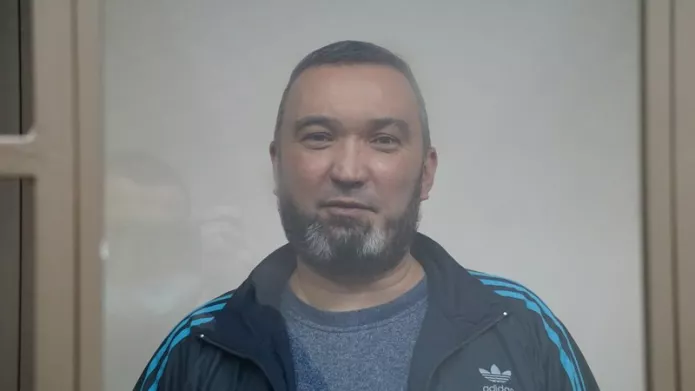
In 2023, the human rights activist Emir-Usein Kuku underwent surgery to remove intestinal adhesions but was denied long-term rehabilitation and a diet. According to his wife, Meriem Kuku, after the operation he was also not told what food he could eat or what medications he needed to take, and he tried to recover on his own.
“I’m trying to find out from my friends, relatives, and acquaintances what he should do, what he can and can’t do. There are so many subtleties: what part of his intestine was operated on, whether the intestine was involved, whether part of it was removed. He needs a medical history, which he doesn’t have,” the woman said.
Chronic diseases of the gastrointestinal tract also affect Medzhit Abrurakhmanov, Emil Dzhemadenov, Eskender Suleimanov, Servet Gaziev and Amet Suleimanov. Their condition requires constant medical supervision.
Diseases of the urogenital system
A lot of Crimean political prisoners, just like other inmates in Russian correctional facilities, develop urogenital problems due to unsatisfactory—cold and damp—conditions of detention. Crimean political prisoners conceal their illnesses for ethical reasons. In some instances, they receive appropriate treatment, but in most of them, their families are forced to seek civilian treatment and pay for medications approved by prison doctors.
Consequences of a failure to provide medical care
The systematic failure to provide, or the mere token provision of, medical care to political prisoners in places of detention leads to serious and often irreversible consequences. An analysis of documented instances reveals three key categories of consequences: a sharp deterioration in health whilst in detention, disablement and the deaths of political prisoners in places of imprisonment.
A sharp deterioration of health in detention
One of the most common consequences is a rapid deterioration in health within the first few years of imprisonment, including among people with chronic conditions that were previously well-managed. For example, Emil Dzhemadenov’s inguinal hernia, which had previously been treatable, significantly worsened in detention. This deterioration occurred against a background of pre-existing serious conditions—a heart defect (mitral valve prolapse) and a chronic stomach ulcer. In addition, he developed pain in his kidneys, lower back and coccyx, as well as pronounced neurological symptoms, including numbness and temporary loss of mobility in his left arm. According to his wife, during his nine years of imprisonment, he underwent neither routine medical check-ups nor a full medical examination (tests, ultrasound and fluorography), and the only option offered was a risky operation in the prison hospital without the necessary pre-operative preparation, despite serious cardiac risks. In practice, treatment amounted to the symptomatic administration of medication provided by his family.
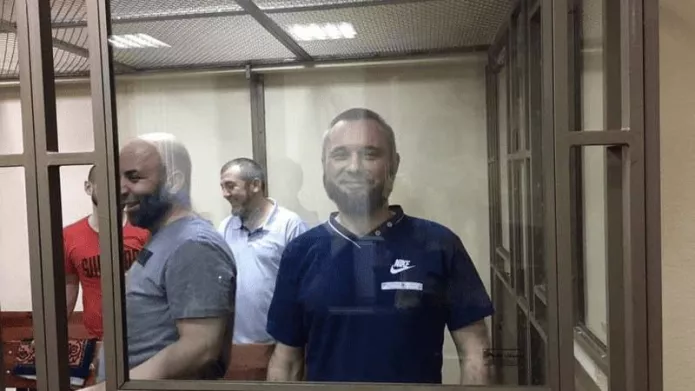
A similar situation is illustrated by the instance of 61-year-old Ruslan Nagaev, whose health has deteriorated sharply in prison conditions. Back in January 2023, his family reported his high blood pressure and deteriorating dental health, noting that he required consultations with a rheumatologist and a gastroenterologist, yet he was not receiving the necessary treatment in prison. In 2024, it emerged that Nagaev was suffering from kidney pain and required consultation with specialist doctors, but all his requests at the prison in Verkhneuralsk of the Chelyabinsk region went unheeded. Later, the man was eventually taken to a prison hospital, where doctors noted that his chronic condition (the family did not specify the diagnosis) had progressed to an inflammatory stage and he urgently required surgery. However, the operation was not carried out, even after Ruslan Nagaev was transferred to the Arkhangelsk region. The medical staff did not report on the state of his health or when the procedure would take place. In October 2025, the Crimean Tatar was taken to hospital again, with promises to carry out an examination and make a final decision on the surgery. The man reported that he did not feel any better and that the treatment was not producing results.
Timur Ialkabov, who suffered from bronchial asthma, saw his condition deteriorate sharply in detention: his asthma attacks became more frequent, his need for inhalers increased, and he began to experience severe pain in his lower back, kidneys and knee joints. Medical staff also diagnosed him with hepatitis. Medical care was perfunctory: his vital inhaler was withheld due to the absence of a doctor on site, specialist examinations were not carried out, diagnoses were made in absentia, and instead of treatment, painkillers (“Ketanov”) were routinely administered. Complaints about “lumps” on his arm, pain and possible thrombosis went unaddressed for months.
In February 2025, the citizen journalist Rustem Sheikhaliev was transferred from the prison in Yeniseysk to Tuberculosis Hospital No. 1 in Krasnoyarsk due to a sudden worsening of varicose veins in his legs. The condition had progressed since his arrest. Moreover, although he complained of pain, the prison doctor assured him that “there was nothing to worry about” and prescribed Sheikhaliev ointments and pills, which did not help.
According to the journalist’s wife, they only agreed to hospitalise her husband after his legs had turned blue and the pain and swelling had worsened. At the same time, she was not told what the treatment plan was. During the investigation, Sheikhaliev already suffered from nosebleeds, severe headaches and chest pains; however, he was not diagnosed whilst in pre-trial detention and was refused hospitalisation even as his condition deteriorated during court hearings.
Disablement
One of the long-term consequences of the systemic lack of medical care in places of imprisonment is the disablement of prisoners. In conditions of isolation, the lack of timely diagnosis, treatment and rehabilitation is exacerbated by chronic stress, restricted mobility, poor sanitary conditions and the inability to access specialist care. As a result, conditions that could otherwise be managed often progress to an irreversible stage, leading to disability whilst the person is still imprisoned.
The lack of treatment and prolonged exposure to prison conditions lead not only to the progression of illnesses, but also to a sustained decline in functional capacity, loss of the ability to work and look after oneself. At the same time, the disablement itself does not constitute grounds for a review of the preventive measure or for release; on the contrary, it is recorded retrospectively, when the damage to health is already irreversible.
A telling example is the instance of Rustem Seitmemetov, who was sentenced to 13 years’ imprisonment and suffered a heart attack in May 2024, following which he underwent coronary bypass surgery. The political prisoner’s wife emphasises that he had no heart problems prior to his arrest and that over the years of his imprisonment his health has “changed not for the better.” In addition to cardiovascular complications, he has developed cataracts and persistent hypertension. The prescribed treatment is fragmentary: a significant proportion of the necessary medicines are not included on the list of those authorised in the prison’s medical unit, which makes full treatment effectively unavailable.
The instance of Tofik Abdulgaziev is particularly telling; a sharp deterioration of his health in detention led to the development of a life-threatening cancer. As the political prisoner’s wife told the human rights initiative Crimean Solidarity, her husband was diagnosed with a malignant brain tumour called glioblastoma in December 2025. By the time of the diagnosis, Abdulgaziev had been in a tuberculosis hospital for about a year and a half with disseminated pulmonary tuberculosis, bilateral pneumonia and hydrothorax. During examinations, he was also found to have chronic heart failure, mitral valve disease, anaemia, gastritis and urolithiasis.
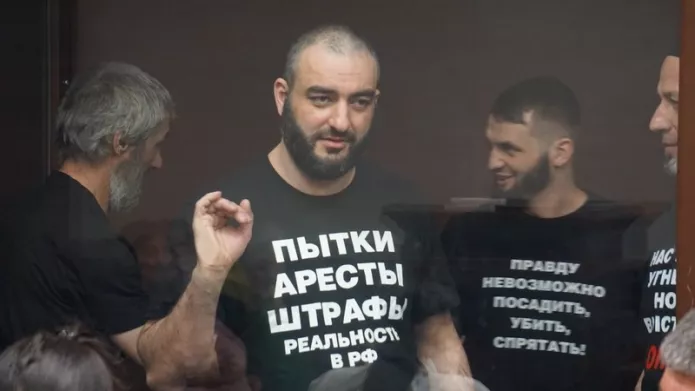
Since the time he was diagnosed with the cancer, the man’s condition has continued to deteriorate: his eyesight has significantly worsened, and he suffers from constant weakness, bouts of breathlessness and fainting spells. The question of surgical intervention in Abdulgaziev’s instance was considered in purely formal terms: it is objectively impossible to carry out a full operation and subsequent rehabilitation in prison conditions, and medical care is currently limited to supportive measures.
In 2024, the court refused to release the Muslim man. Abdulagizev’s defence team has now submitted a further application on the grounds that he suffers from a second medical condition included on the list of conditions precluding imprisonment.
The wife of the political prisoner has publicly stated that her husband is currently being held in solitary confinement where “there is no one to help him if he falls” and has emphasised that any delay in his release poses a direct threat to his life. This instance clearly demonstrates how the lack of timely medical care and the courts’ formalistic approach turn imprisonment into a factor causing irreversible harm to health and posing a real risk of death.
Deaths of political prisoners in places of imprisonment
The most tragic consequence of a failure to provide medical care is death in detention. Even before his criminal prosecution, the Crimean Tatar Jemil Gafarov experienced a massive heart attack and was suffering from severe chronic kidney failure that required regular dialysis—a treatment that was not provided in the conditions of the pre-trial detention centre. While in custody, he suffered a second heart attack, after which he was virtually bedridden and experienced constant chest pain. Despite his critical condition, neither the court nor the detention centre’s administration took any steps to change his pre-trial detention conditions or transfer him to a specialised medical facility. In February 2023, Gafarov died at the FSIN medical unit in Rostov-on-Don from acute cardiovascular failure against a background of severe heart pathology.
The failure to provide medical care led to the death of yet another Crimean prisoner—the businessman Konstantin Schiring, who had been sentenced to 12 years in a strict regime penal colony on charges of espionage. He died on 7 February 2023 whilst serving his sentence. According to human rights activists and relatives, Schiring repeatedly sought medical assistance, reported a sharp deterioration in his condition and required urgent heart surgery. Despite the medical indications, the necessary surgical intervention was never performed. Medical care was limited to routine measures and did not correspond to the severity of his condition.
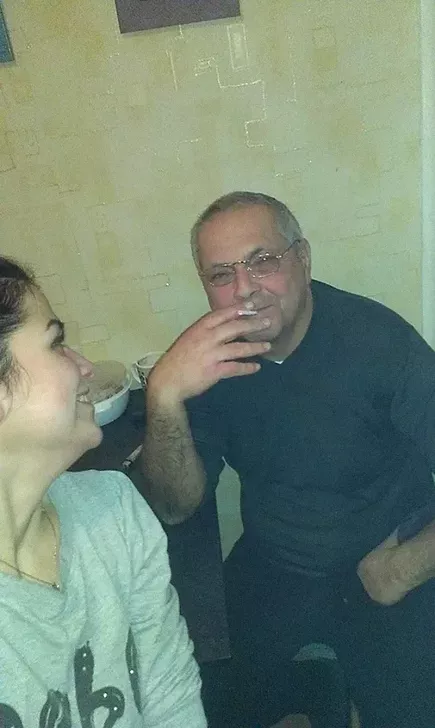
Konstantin Schiring’s death became the first documented case of a Crimean political prisoner passing away in a penitentiary institution. Human rights activists connect this case with the rapid deterioration of detainees’ living conditions and access to medical help following the full-scale invasion of Ukraine. Detainees are now exposed to higher risks, especially the elderly and the severely ill. Schirgin’s case demonstrates how disregard for medical conditions and refusal to provide timely medical care can lead to lethal consequences.

Obstacles in the protection of rights
Non-admission of independent doctors
Testimonies gathered from political prisoners, their relatives and defence representatives indicate a systemic nature of health care violations in the Russian penitentiary system. The problem goes far beyond individual instances of malpractice: there is a corpus of established practices, including non-admission of independent specialists and concealment of medical documentation. As a result, the prisoners’ access to adequate medical care is limited, and they do not have effective tools for defending their rights.
A Crimean human rights activist and lawyer who remains anonymous due to security concerns has noted in conversation with OVD-Info that admission of independent specialists to penitentiary facilities is practically impossible. The only exception to the rule are dentists, but even they are limited in their ability to provide medical care due to the lack of necessary materials and equipment in prisons. For example, Amethan Umerov was only offered teeth extraction, since a dentist informed him that other forms of treatment were impossible to perform. In some instances, such as that of Marlen (Suleiman) Asanov, prisoners’ relatives do manage to arrange a dentist’s visit. However, such instances remain rare, according to the activist.
The citizen journalist Remzi Bekirov has reported that his attempts to arrange a dental visit in the pre-trial detention centre of the Crimean city of Simferopol were de facto blocked by the administration—despite offers of help from medical professionals. “We tried, but they didn’t let him in, they didn’t allow it,” says Bekirov’s relative. The refusal was based on a pure formality: “Simply not according to procedure. Forbidden. [The administration said] we have our own internal dentist.”
A similar situation happened to Aider Saledinov, who was suffering from sharp tooth pain in the Simferopol pre-trial detention centre. Even though an independent dentist was invited and all documents and medical instruments were prepared for the visit, the dentist ended up not being allowed in. The relatives reported that the dentist was turned away at the checkpoint due to his visit not being authorised by Saledinov’s investigator. Saledinov only managed to receive treatment after he was transferred to a penal colony.
Another prisoner, Server Mustafaev, was also denied an independent medical visit despite his defence team’s and relatives’ appeals, says his wife, Maia Mustafaeva. Due to his long-term detention in harsh conditions, Mustafaev began to experience heart problems. Moreover, he developed a neoplasm—a lipoma—below his chest. When Mustafaev was transferred to a penal colony in September 2022, he was offered a surgery to remove the lipoma. However, he refused the surgery due to his concerns about the conditions in which it would be performed
Pressure on attorneys
According to the Crimean human rights activist, restriction of political prisoners’ access to adequate medical care is systematic. The administrators of penitentiary facilities frequently refuse admission of independent doctors and conceal evidence, while the courts ignore medical problems of severely ill prisoners and refuse appeals. The activist says that while direct pressure on attorneys with regards to medical issues remains quite rare, what does take place instead is the pervasive disregard of the arguments put forward by the defence.
As emphasised by another Crimean lawyer and human rights activist, protection of severely ill political prisoners is systematically limited due to a formulaic and selective approach practiced by the courts and the penitentiary administrations.
Concealment of medical documentation
One of the key obstacles to accessing health care experienced by Crimean political prisoners is a refusal to transfer them to a civilian medical facility. To illustrate this, the Crimean human rights activist cites the instances of Nariman Memedeminov, Dzhemil Gafarov and Azamat Eiupov, all of whom had to tediously demand hospitalisation or medical examination, often to no avail. Yet even when a request for transfer to a medical facility is granted, the medical assistance is usually limited to setting a diagnosis. Results of medical examinations are often either not shared with the defence or fully classified. This makes it impossible for the attorneys to forward the documents to independent experts and build an effective legal strategy.
The Crimean human rights activist places particular emphasis on the issue of concealing medical records. Despite numerous appeals and complaints, the defence was unable to obtain the results of Amet Suleimanov’s medical examination, including MRI scans and cardiac ultrasound data, as well as information about the proposed surgery and his inclusion in the waiting list for medical intervention. Similar difficulties arose when attempting to obtain medical information about Iashar Shikhametov. The lack of access to medical records, according to the lawyer, effectively deprives the defence of the opportunity to prove his deteriorating health and seek changes to his detention conditions.
In penitentiary facilities, Crimean political prisoners also regularly face rejection to provide their medical records, which limits their families’ ability to monitor their treatment. This is especially true in instances where relatives receive consultations from civilian doctors.
Amet Suleimanov reported that his defence attorney was not provided with a complete medical record, despite an official request. The provided documentation lacked key data, including liver and heart ultrasound results and ejection fraction readings, which are critical for assessing a his heart function. Without this data, the defence is still unable to confirm his deteriorating health or insist on appropriate treatment. The lawyers’ requests for medical information went unanswered, and the documents provided were incomplete and did not reflect his actual health. However, doctors verbally warned the political prisoner that his heart function indicators had changed significantly and his ejection fraction had decreased as well.
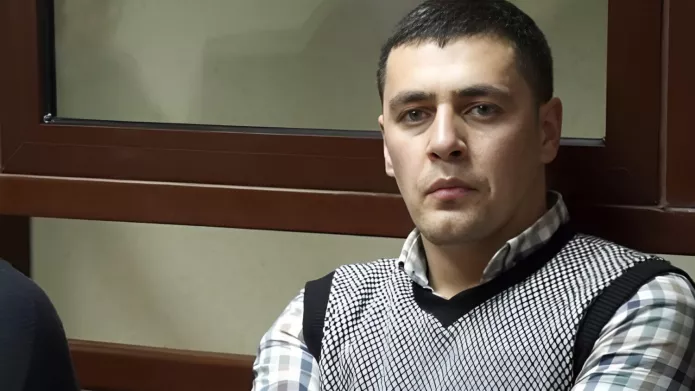
Uzeir Abdullaev’s situation is particularly illustrative: information about his condition effectively became classified, according to his wife, Fera Abdullaeva. He underwent surgery on his arm after purulent wounds developed on it and his body temperature reached 40 degrees Celsius. Initially, the surgeon advised urgent hospitalisation, citing a blood infection and the risk of worsening his condition. However, the very next day, his relatives were told, “I can’t tell you anything because the case is classified,” and later, a prison doctor also confirmed that he “can’t even look [at the information] himself.” As a result, neither his family nor his defence team never received information about his test results or diagnosis.
The human rights activist Emir-Usein Kuku also spent a long time trying to obtain his medical records following his intestinal surgery. Only after numerous complaints was he able to see these documents several months later. “He really fought for this, to see this entire medical record,” says his wife, Meriem Kuku. According to her, family and defence representatives were also denied direct access to his medical records: “I had no contact with the head of the medical unit, only through the chairperson of the Bashkir public monitoring commission.”
The systematic practice of concealing medical records from prisoners, their families and lawyers hinders independent assessments of their health status and deprives the defence of the opportunity to seek legal decisions based on objective medical evidence.
Courts ignoring the condition of seriously ill prisoners
According to the Crimean human rights activist, a separate problem is the courts’ disregard for the physical condition of prisoners during trials. She notes instances where people with high fevers, post-stroke or in critical general condition—including Servet Gaziev, Azamat Eiupov, and Iashar Shikhametov—were transferred to court and effectively forced to attend court hearings, without being able to adequately and fully participate in the proceedings or exercise their right to legal defence. Under such circumstances, the participation of prisoners in critical condition in court proceedings calls into question the very concept of a fair trial.
According to the lawyer Nazim Sheikhmambetov, the release of seriously ill prisoners on health grounds remains highly inconsistent—a problem illustrated by the experience of Lenur Khalilov. After his imprisonment, Khalilov was diagnosed with hepatitis C and cancer. Recognising the severity of his condition, the penal colony administration petitioned the court for his release. The court of first instance granted the request, relying on the medical assessment and noting the absence of objections from the prosecution. However, the prosecution soon filed an appeal. By the time it was heard, Khalilov had already been released home, was undergoing treatment and preparing for surgery. Nevertheless, the appellate court overturned the earlier decision, and he was returned to the colony. According to his wife who spoke to OVD-Info, the cassation court upheld this ruling at the beginning of the year.
An analysis of the appellate submission filed by the prosecutor’s office of the Arkhangelsk region in the case of Lenur Khalilov points to a shift in how state authorities approach the application of Article 81 of the Criminal Code, which provides for release from punishment on the grounds of serious illness.
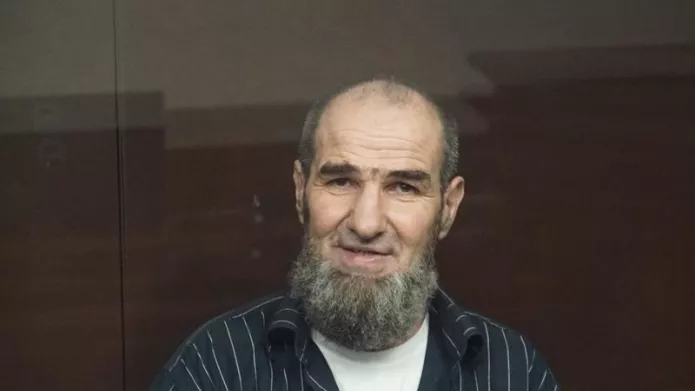
Although the convict was diagnosed with a condition included on the official list of illnesses that preclude serving a sentence—stage IV primary liver cancer with metastases—the prosecutor’s office nonetheless sought to overturn the court’s decision granting release. In its submission, the prosecution argued that the mere presence of such an illness should not, in itself, automatically warrant release.
Rather than focusing on medical criteria, the prosecutor’s office argues that greater weight should be given to factors such as the nature of the offence, the prisoner’s alleged “social danger,” the portion of the sentence already served and his conduct in the colony. In support of its position, it cites disciplinary violations—57 breaches of prison rules and 17 formal penalties—as well as a “negative personality assessment” issued by the institution’s administration. However, a substantial number of these reported violations appear to be minor and formal in nature, relating primarily to routine compliance with prison regulations. Such practices are common in Russian penal colonies and are often used to construct a “negative personality profile” of political prisoners.
As a result, the medical opinion confirming that the illness is among those included on the official list is effectively sidelined, while decisive weight is given to assessments of the prisoner’s character and the seriousness of the charges brought against him. This shift reflects a de facto departure from the earlier practice of applying Article 81 of the Criminal Code, under which the presence of a listed illness served as the primary basis for release. It also risks broadening the grounds for refusal by allowing negative personality assessments and other non-medical factors to play a role.
Sheikhmambetov also points out that the cases of the blind Alexander Sizikov and Lenur Khalilov have drawn the attention of bodies within the United Nations system, according to their relatives. One of the relevant UN committees has applied interim (provisional) measures, requesting the Russian Federation to ensure a renewed medical examination of Khalilov, consider his release on health grounds as well as take steps to protect Sizikov’s rights. Nevertheless, despite this international intervention, the appellate rulings overturning his release on medical grounds were ultimately upheld.
On 26 May 2025, the Minusinsk City Court in the Krasnoyarsk region approved Alexander Sizikov’s request for early release on health grounds under Article 81 of the Criminal Code.
The court determined that Sizikov’s condition—complete blindness and permanent visual disability confirmed by the medical commission of the Tuberculosis Hospital No. 2 branch of the Medical Unit No. 24 Federal State Healthcare Institution of the FSIN of Russia (Conclusion No. 82 of 21 March 2025)—is included on the list of illnesses approved by Russian Government Resolution No. 54 of 6 February 2004. The presence of a condition on this list constitutes a valid basis for releasing a prisoner from serving the remainder of their sentence on health grounds.
The court observed that the illness is progressive and accompanied by additional health complications. According to the submitted documentation, the prisoner requires regular medical rehabilitation—at least once every six months—which is difficult to provide in conditions of imprisonment. The court also noted the lack of adequate treatment facilities within the institution and the severe limitations on the prisoner’s ability to move independently.
During the court hearing, the petition received support from both the prosecutor’s representative and the head of the prison’s medical unit.
Following this, Sizikov was released from custody and travelled to Crimea. However, on 21 October 2025, the Krasnoyarsk Regional Court overturned the lower court’s decision granting his release and ordered that he be returned to the colony.
The same prosecutor N. Botin, who had earlier supported Sizikov’s release, later filed an appeal seeking to overturn the decision. In his submission, he specifically pointed out that Sizikov’s illness had developed before his conviction and that the court had not resolved the issue of enforcing an additional sentence imposed on him in the form of a restriction of freedom.
Following these events, law enforcement officers in Crimea detained Sizikov. At first, a police report was first drawn up against him for an administrative offence, and he was then taken back into custody.
The appellate court upheld the prosecutor’s appeal and revoked the release order. At the cassation stage, the court went further, refusing entirely to consider the appeal challenging the Muslim’s repeated imprisonment.
In the instance of Alexander Sizikov, as in that of Lenur Khalilov, the court effectively refused to apply Article 81 of the Criminal Code, which allows for release from punishment on health grounds. Until recently, this provision was one of the few legal avenues enabling seriously ill prisoners to obtain their freedom.
The lawyer Nazim Sheikhmambetov argues that the cited instances reveal a systematic disregard for both medical evidence as well as the country’s international obligations.
Other instances further illustrate the situation, with Crimean political prisoners being denied release—and even essential medical care—despite serious health conditions. For instance, in March 2024, Tofik Abdulgaziev was admitted to Tuberculosis Hospital No. 3 in Chelyabinsk, where he was diagnosed with disseminated pulmonary tuberculosis involving the intrathoracic lymph nodes, along with several other serious illnesses.
Although tuberculosis is listed among the illnesses that preclude serving a sentence and despite the severe deterioration of the Crimean Muslim’s health—including a weight loss of approximately 40 kilograms and partial immobility—Abdulgaziev and his legal team were denied the petition for his release in August of the same year.
According to the wife of the political prisoner, her husband was diagnosed with a malignant brain glioblastoma at the end of 2025. Abdulgaziev reports experiencing severe weakness, a semi-conscious state and a dangerously high blood sugar level of 26. He has also described partial vision loss, which prevents him from seeing what he is eating or the numbers he types on his phone, along with severe coordination problems, dizziness and constant nosebleeds. His legal team has filed a renewed petition for his release, emphasising that his cancer is included on the list of illnesses that preclude incarceration. The case is currently under review, with a court hearing scheduled for April.
Jemil Gafarov, a Group 2 disabled prisoner suffering from severe heart and kidney conditions, repeatedly sought medical assistance, yet neither the court nor the penitentiary system provided him with treatment or transfer to a civilian hospital. In February 2023, Gafarov died in the Novochekassk pre-trial detention centre. Similar practices affected Amet Suleimanov, who was denied release from custody despite his critical condition and urgent need for medical care.
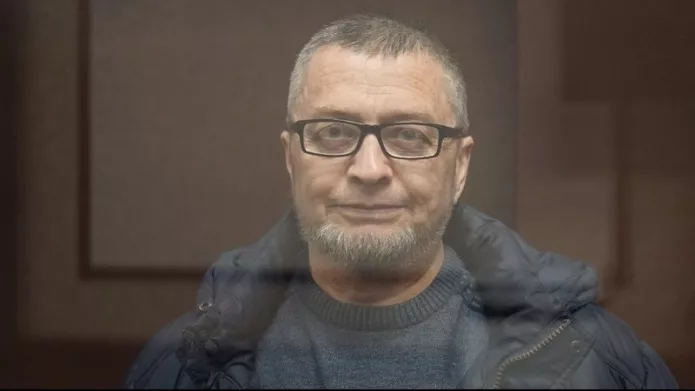
Lack of effective tools for appeal
The Crimean lawyer highlights that the existing tools for appeal are ineffective. Appeals to the prosecutor’s office most often lead to formulaic responses, while judicial appeals are hindered by the lack of objective medical evidence, which the administrations of detention and penitentiary institutions refuse to provide. The outcome is a vicious circle in which the defence can neither prove the medical condition of the defendant nor achieve a real change for the better.
Taken together, these factors indicate systemic restrictions of medical aid provisions in detention and penitentiary institutions. Available support is reduced to a formal minimum, while access to independent evaluation and medical information is blocked. Such practices not only go against the right to receive adequate health care but also remove the prisoners’ access to effective protection, heightening the risk of irreversible damage and severe health complications.
Even when a motion for release on the basis of poor health is approved, it usually gets overturned by appellate and cassation courts. The courts justify their decisions by formally referencing judicial procedures while disregarding real medical facts. In worst case scenarios, this leads to lethal consequences for the inmates.
Systemic problems of penitentiary health care in Russia
The health care system in Russian detention and penitentiary facilities is characterised by a host of structural problems that affect the quality and availability of medical assistance, directly impacting the health of prisoners. Corrective institutions lack general and specialist medical professionals to carry out comprehensive medical examinations and provide treatment. This situation is further exacerbated by the limited access to vital medications, diagnostic tools and specialised medical tests. In some instances, medical units lack medications even for prisoners suffering from serious health conditions. Additional examinations and surgeries are carried out very rarely or superficially, increasing prisoners’ risk of developing disabilities and facing lethal outcomes.
In addition, health care services in Russian penitentiary facilities are fully subordinated to the FSIN administration, limiting their professional independence and authority to act based on the patient’s interests. Consequently, the work of doctors and nurses in most instances is reduced to carrying out the orders of the administration instead of providing adequate medical care. Medical professionals do not have full autonomy and are under administrative control, resulting in a formalistic approach to examinations and treatment. Medical conditions may be diagnosed in absentia, while systematic treatment of chronic conditions remains absent. Thus, even ordinary health conditions which can be adequately managed in everyday life progress to more severe stages or become irreversible in prisons.
In conversation with OVD-Info, the human rights defender and member of “Support for Political Prisoners. Memorial” Anna Karetnikova has characterised Russia’s penitentiary health care system as institutionally dependent on the FSIN, structurally weak and lacking appropriate resources.
Karetnikova was a long-time member of the Public Monitoring Commission and later worked as an analyst of the Moscow division of the FSIN. According to her, the Russian penitentiary system suffers from a chronic lack of medical professionals. While on paper each institution is supposed to have a certain number of them on staff, in reality many positions remain vacant. When it comes to highly specialised practitioners, such as surgeons, there may be only one of them available for an entire region, meaning that only the most severe and life-threatening conditions receive medical attention.
“In Moscow, we have come up with a solution to overcome [the shortage of medical staff]: doctors were assigned to a team which was tasked with going round all pre-trial detention centres every Tuesday so that anyone could at least have a chance to see the relevant specialist. <….> But it is not possible to implement such an initiative elsewhere without a political will to do so. As far as I understand, this positive practice has not been adopted across the country. Yet from what I hear, it is still in place in Moscow,” says Karetnikova.
She explains that the shortage of medical professionals in penitentiary facilities is caused by the general unattractiveness of these workplaces. A relatively low pay is combined with a heavy workload and an obligation to follow the strict administrative standard of a law enforcement facility. Doctors and nurses have to work with “challenging patients” and are subjected to extensive checkpoint control. These additional time and emotional commitments result in high levels of stress. As a consequence, medical professionals experience rapid burnout, and civilian specialists who may be attracted by extra pay incentives also tend to quit early.
The lack of medical professionals is further exacerbated by the subordination of the medical services to the heads of the penitentiary facilities. Despite their formal removal from the institutions’ control, doctors continue to function as employees of the penitentiary facilities first and as medical professionals second. According to Karetnikova, administrative and penitentiary objectives are prioritised over health care.
“This leads to certain nuances in practice. For example, if a choice has to be made between taking a prisoner who has fallen ill to a hospital, complying with the pre-planned investigative actions or, for example, transferring them to another prison, the doctor will agree with the facility’s administration. Instead of sending a person to a hospital or leaving them in the pre-trial detention centre because of poor well-being, or instead of providing them time off work in the colony due to ill health, non-medical objectives will often be prioritised over medical advice. Only when the doctor realises that the patient is at risk of death and might, thus, become their personal liability, are they likely to argue with the administration; probably, this is the only exception to the rule,” Karetnikova explains.
She adds that most employees of penitentiary institutions prefer to keep a low profile to avoid repercussions from the administration for being “over-zealous” or showing too much initiative.
“The main priority for all employees, including medical professionals, is to avoid being punished. It is hard to explain this, but they won’t be punished for not prescribing a pill. However, if they do prescribe it, something may go wrong. Any employee’s first reaction to any request is to refuse it: first of all, to avoid the extra effort, but also to avoid potential negative consequences. [They think to themselves, ] ‘what if I give this person a pill, and it turns out that its use was restricted? ,’” says Karetnikova.
Yet, according to her experience, it is not common to delay or restrict health care to exert pressure over prisoners in the interests of the investigation or intelligence agencies. Such instances are rare and do not form an established practice.
According to Karetnikova, the superficial character of medical examinations is embedded in the wider accusative attitudes characterising the treatment of prisoners in the Russian penitentiary system. The prisoners are always regarded as untrustworthy and prone to coming up with fake reasons to avoid work, detention or investigation—while, at the same time, there is no punishment for providing an unsatisfactory medical examination. Additionally, the practice of releasing a severely ill prisoner is restrained by fear of facing follow-up checks and suspicions of corruption.
“This was the instance of the doctor [Alexander] Kravchenko, who was the head of the hospital at the Matrosskaya Tishina [pre-trial detention centre]. He was accused of releasing five patients—not for the money, but to increase his status among the prisoners. Overall, the logic of the FSIN goes like this: if a severely ill person has been released from prison, they must gratefully die within a month. If that does not happen, the facility and the doctor who sanctioned the release will face uncomfortable questions: ‘He must have been not so ill to be released, after all. Maybe you took a bribe? ,’” says Karetnikova.
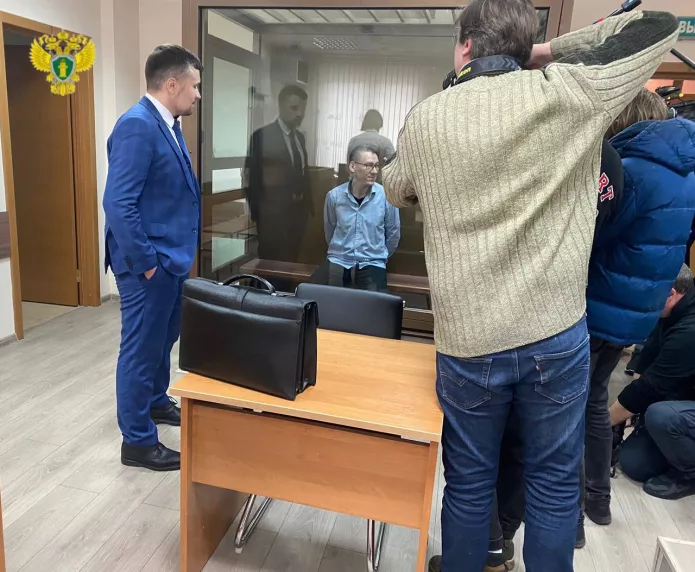
According to the human rights defender, the lack of medications and diagnostic tools in penitentiary institutions is also systemic. In the current Russian realities, less and less money is provided for the purchase of medications every year. Governmental contracts are auctioned based on artificially lowered initial calculations of expenses with subcontractors failing to fulfill them on time or at all. As a result, there may be long waiting periods for the right medications. Doctors, whose work is subject to internal reviews, are forced to maintain visibility of full stock despite the lack of medications, since the acknowledgement of a shortage may lead to a disciplinary investigation. That makes informing the administration about a shortage in good faith virtually impossible and widens the gap between the reported state of things and prisoners’ real access to medical treatment.